
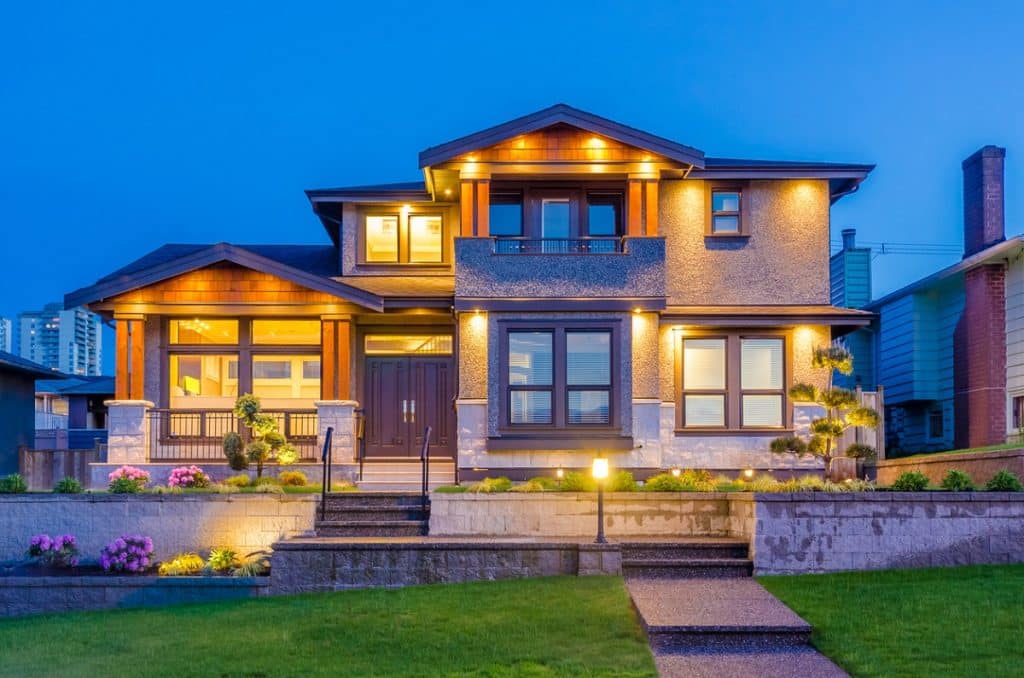
Heating a large home brings a different set of challenges. More square footage means more air to heat, longer duct runs, and greater demand on the system. Furnaces can work well in large homes, but performance depends on sizing, duct design, and overall system setup.
The Pros of Using a Furnace in a Large Home
Furnaces remain a common choice for larger homes, especially in colder climates. A properly sized gas furnace can deliver steady heat across a wide area. When airflow is balanced and ducts are maintained, the system can maintain consistent temperatures throughout the home. That said, results can vary depending on layout.
Newer furnaces are more efficient than older models. Many high-efficiency units have Annual Fuel Utilization Efficiency (AFUE) ratings of 90% or higher, with some reaching the mid to upper 90s. That rating reflects how much fuel is converted into usable heat over a season, though real-world performance can differ based on installation and maintenance.
Two-stage and modulating furnaces can improve comfort in larger homes. Instead of running at full output all the time, these systems adjust heat levels to match demand. This can reduce temperature swings and support more even heating, especially in homes with varied room sizes or multiple levels.
Furnaces can also work with zoning systems. Zoning allows different areas of the home to be heated independently. While zoning can improve comfort, it requires proper design and duct dampers.
What You Must Know About Furnaces
Several factors can limit furnace performance if they’re not addressed early:
- Sizing
- Ductwork
- Upfront costs
Incorrect sizing is one of the most common issues. A furnace that’s too small may run constantly without meeting demand. An oversized unit may short-cycle, reducing efficiency and increasing wear. Industry guidelines recommend a Manual J load calculation to determine the correct capacity.
Ductwork also plays a major role. According to the Department of Energy, leaky or poorly insulated ducts can lose a noticeable portion of heated air, sometimes up to 20% to 30% in typical systems. In large homes, long duct runs can make that loss more noticeable.
Higher-capacity or advanced furnaces tend to cost more upfront. Installation in larger homes may also involve additional labor or duct modifications. While energy savings may offset some of that cost over time, results depend on usage and system performance.
Getting the Most Out of a Furnace in a Large Home
System design matters as much as the equipment itself. Proper sizing, well-sealed ducts, and balanced airflow all support better performance. Controls such as programmable or smart thermostats can also help manage temperature more effectively.
For large homes, a furnace can be a good solution when the system is designed for your home. It may not solve every comfort issue on its own, but it can provide steady and efficient heating. If you live in Baton Rouge, LA or a surrounding area and need heating installation services, make your first call to HVAC Essentials.